US Congress Condemns $9M Nigerian Lobbying Deals Amid Rights Concerns
- by Fejiro, Delta State, HSN
- about 3 hours ago
- 115 views
...Activists Accuse Businessman Tolangha of Diverting Community Funds to Washington PR
Anger is escalating in the Niger Delta after revelations that millions of dollars from the region’s oil revenues were channeled into high‑price lobbying contracts in Washington, D.C., a development critics say undermines local stakeholders and skirts accountability for violence and development failures at home.
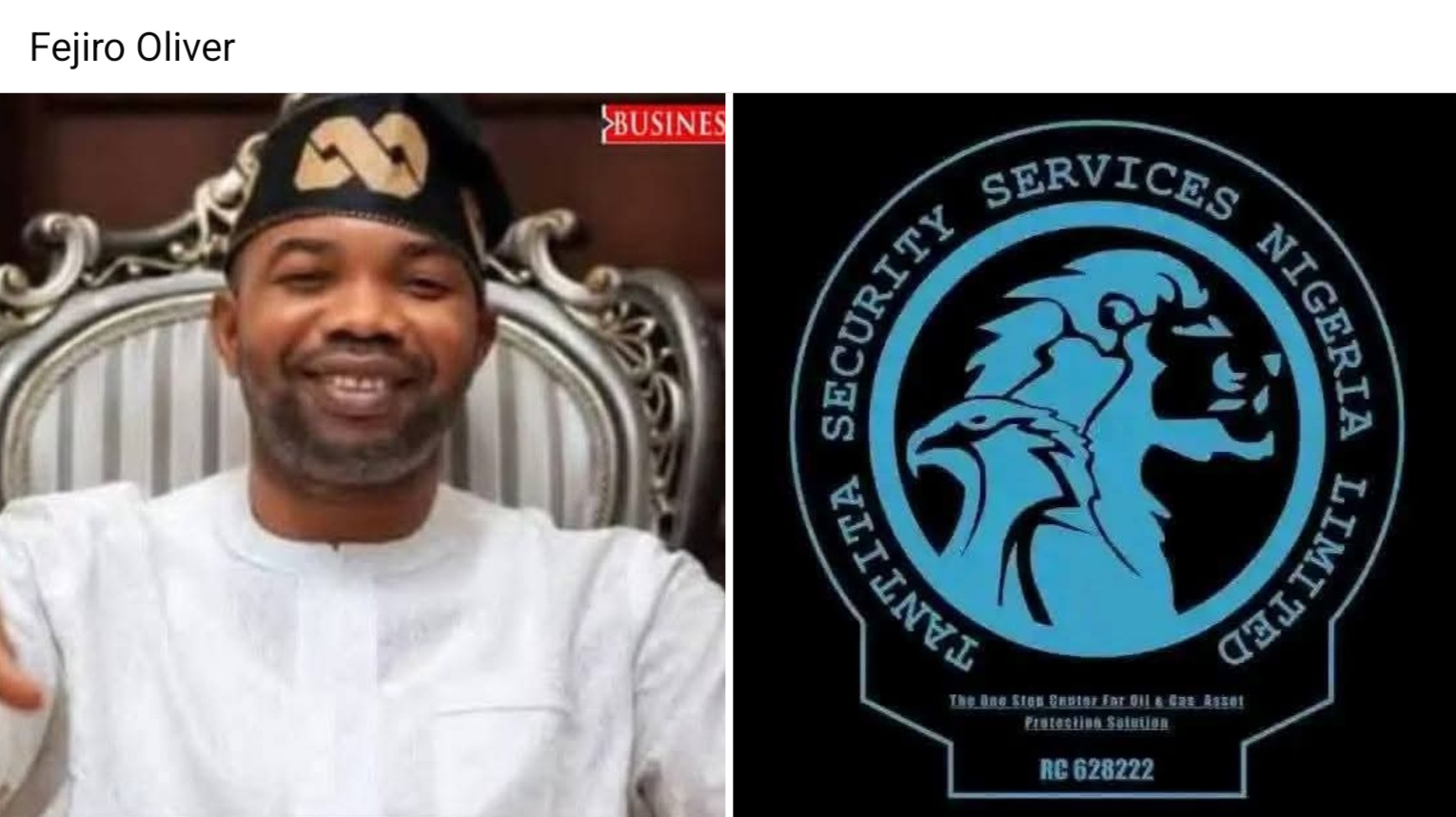
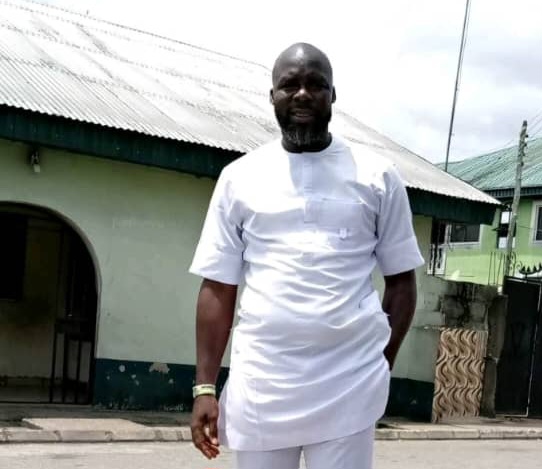
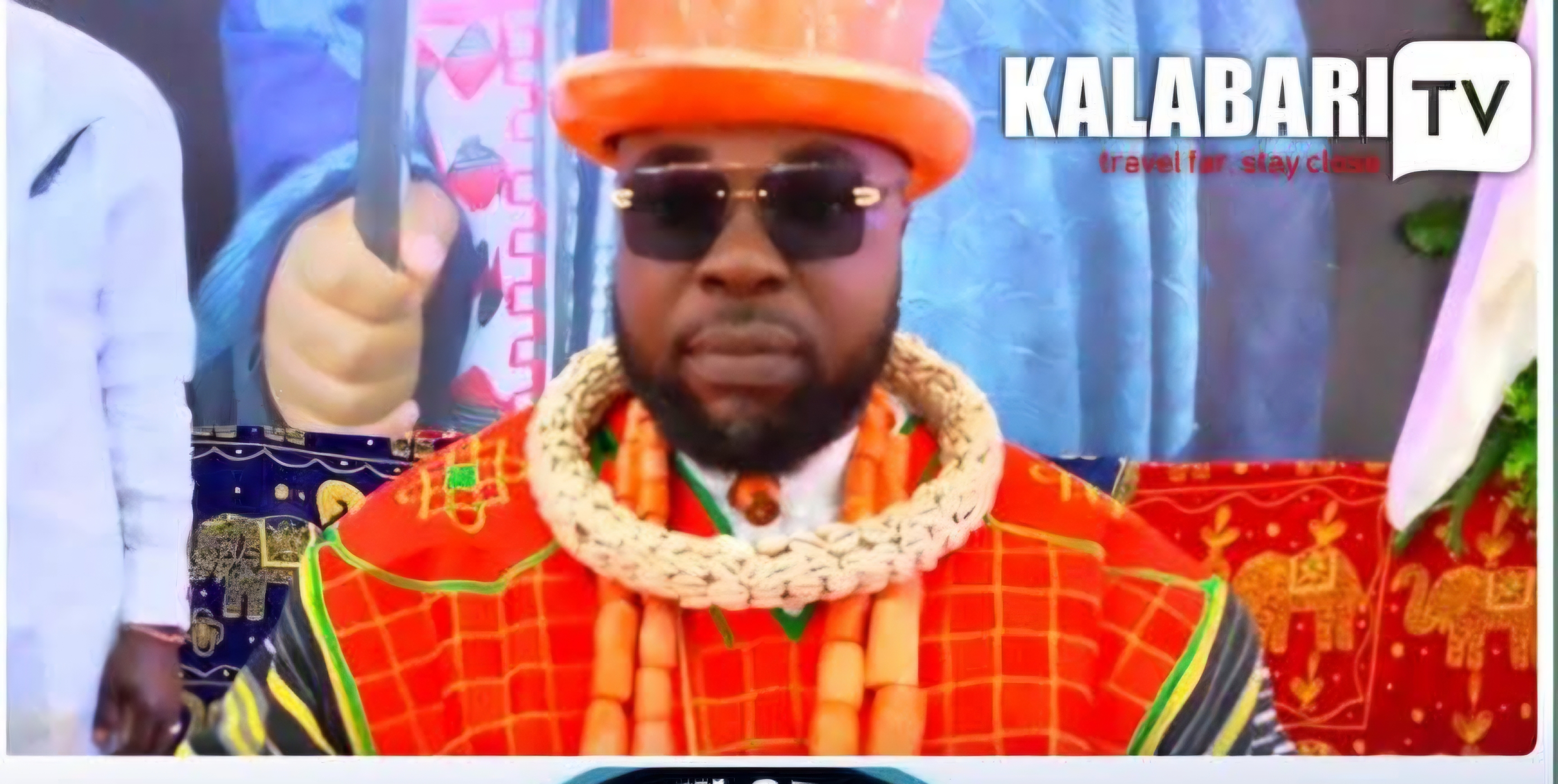
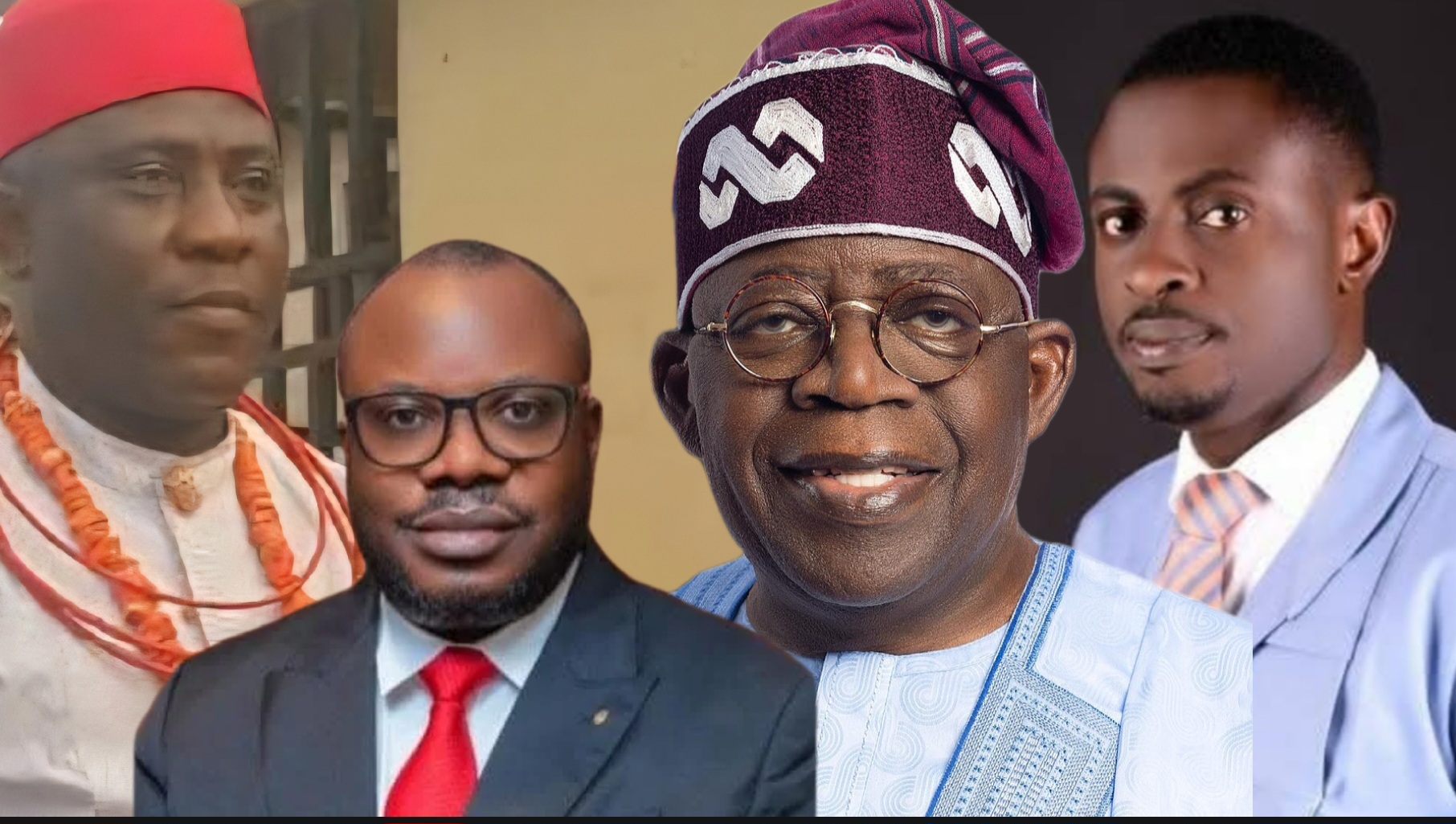
At the center of the storm is businessman Matthew Tolangha — accused by local activists of using political influence and vast sums drawn from commonwealth to protect and expand pipeline surveillance contracts while sidelining Niger Delta communities. Tolangha’s Maton Engineering and an allied firm, Tantita, are both named in the controversy. Critics say pipeline surveillance should be inclusive of local stakeholders and used to drive development across the Niger Delta, not to enrich a few or to fund international public relations.
The dispute intensified after leaked documents showed a payment of $990,000 to a U.S. lobbying firm. Those documents — earlier publicized by local campaigners — have since been followed by broader reporting that Nigeria engaged high‑priced Washington firms on contracts reportedly totaling up to $9 million. U.S. congressional testimony last week sharply criticized those contracts as efforts to downplay or deflect attention from human‑rights abuses and sectarian violence in Nigeria.
During a joint hearing of the House Subcommittee on Africa and the Subcommittee on the Western Hemisphere titled “Defending Religious Freedom Around the World,” lawmakers and former U.S. officials voiced alarm. Former Ambassador‑at‑Large for International Religious Freedom Sam Brownback and former U.S. Commission on International Religious Freedom chair Dr. Stephen Schneck testified about the deteriorating situation and questioned the Nigerian government’s commitment to protecting vulnerable communities.
House Foreign Affairs Africa Subcommittee Chairman Rep. Chris Smith described the October 2025 U.S. designation of Nigeria as a Country of Particular Concern under the International Religious Freedom Act as “long overdue” and expressed concern that expensive Washington lobbying contracts appeared aimed at undermining that designation. “I am deeply concerned that Nigeria has hired the lobbying firm, DCI Group, to the tune of $9 million, $750,000 a month,” Smith said, adding that he had identified a separate $120,000‑a‑month contract between a Nigerian billionaire and the Valcour consulting firm to influence both Congress and the executive branch.
Testimony and statements at the hearing described tailored narratives produced by these firms suggesting the scope of violations was being minimized. Rep. Bill Huizenga acknowledged recent U.S. steps had refocused attention on Nigeria, while Brownback said the federal government had given little reason for trust, accusing it of abandoning long‑standing power‑sharing traditions and failing to protect minorities.
Back home, dissidents accuse Tolangha of wielding political connections — symbolized, they say, by close ties to President Tinubu’s administration — to trample on Niger Deltans’ rights. Activists contend Tolangha’s companies benefited from surveillance contracts historically portrayed as monopolized by Tantita, when in fact Maton Engineering has operated its own corridor surveillance projects. They say proceeds intended for community development were diverted to pay foreign lobbyists and consultants rather than to local contractors or stakeholders.
“I warned I would go international on this matter,” a local campaigner said after the congressional hearing. “This is just the beginning.” The critic insisted the $990,000 payment and subsequent revelations would have consequences in Washington and sought broader scrutiny into how Niger Delta resources are managed.
Tolongha, Maton Engineering and Tantita have been urged by activists to cease international lobbying efforts. Critics argue that firms and individuals drawing from communal resources lack moral authority to shape foreign narratives about Nigeria while alleged abuses persist on the ground.
The U.S. congressional session represents a new front of pressure: lawmakers signaled intent to probe whether foreign lobbying contracts were used to obscure credible reports of mass attacks on Christian communities and other human‑rights abuses. Congress has already flagged some individuals as persons of interest, and sources at the hearing said additional scrutiny and potential follow‑up actions are likely.
For Niger Delta residents and campaigners, the revelations underscore longstanding grievances: local exclusion from decision‑making over security contracts, opaque flows of revenue, and the diversion of resources meant for development. As Washington intensifies its focus, the scandal threatens to shift diplomatic and legal attention toward both the Nigerian government and private contractors alleged to be profiting from the status quo.
Calls for transparent, inclusive surveillance arrangements and for reinvestment of oil wealth into Niger Delta development are growing louder. For now, the controversy remains a potent mix of local fury and international concern — a flashpoint that could reshape political and legal scrutiny of how Nigeria manages security, resources and its image abroad.



0 Comment(s)